By The TechHunter / June 19, 2026
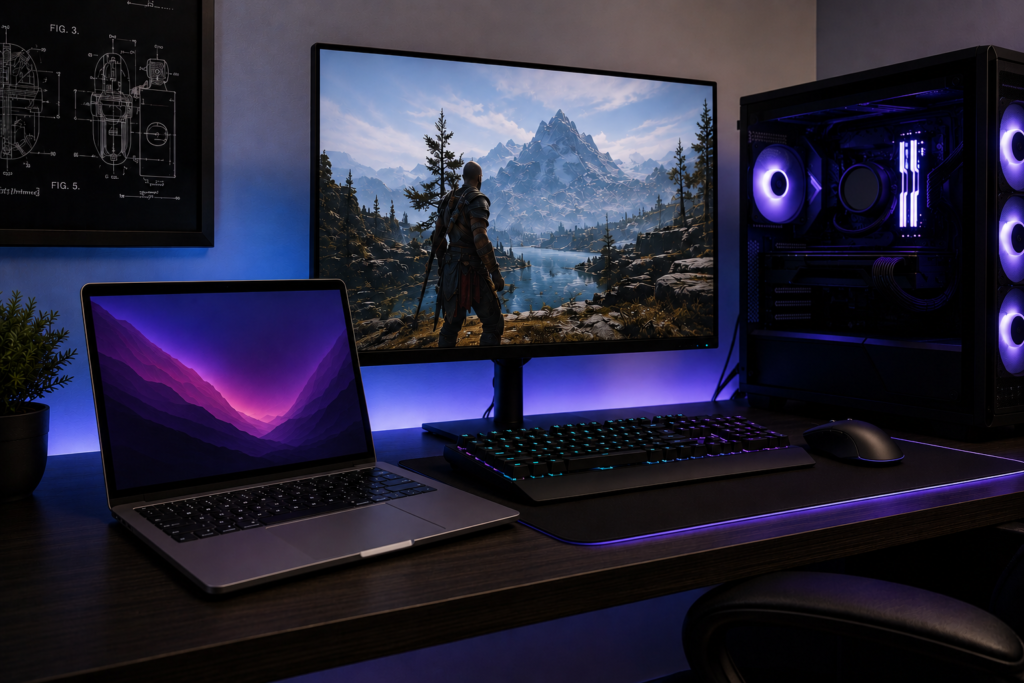
It’s one of the most common questions we get from South African buyers: “Macs are powerful and expensive — so why can’t they game like a Windows PC?”
It’s a fair question. A modern MacBook Pro can chew through 4K video editing without breaking a sweat, yet a R12,000 Windows laptop will often run the latest games better. That seems backwards.
The truth is, it’s not really about raw power. The reasons Macs have lagged in gaming are more about choices — some Apple’s, some the games industry’s — than about the chips themselves. Here’s the honest explanation, where things stand today, and what it means if you’re deciding what to buy.
It’s not that Macs are weak
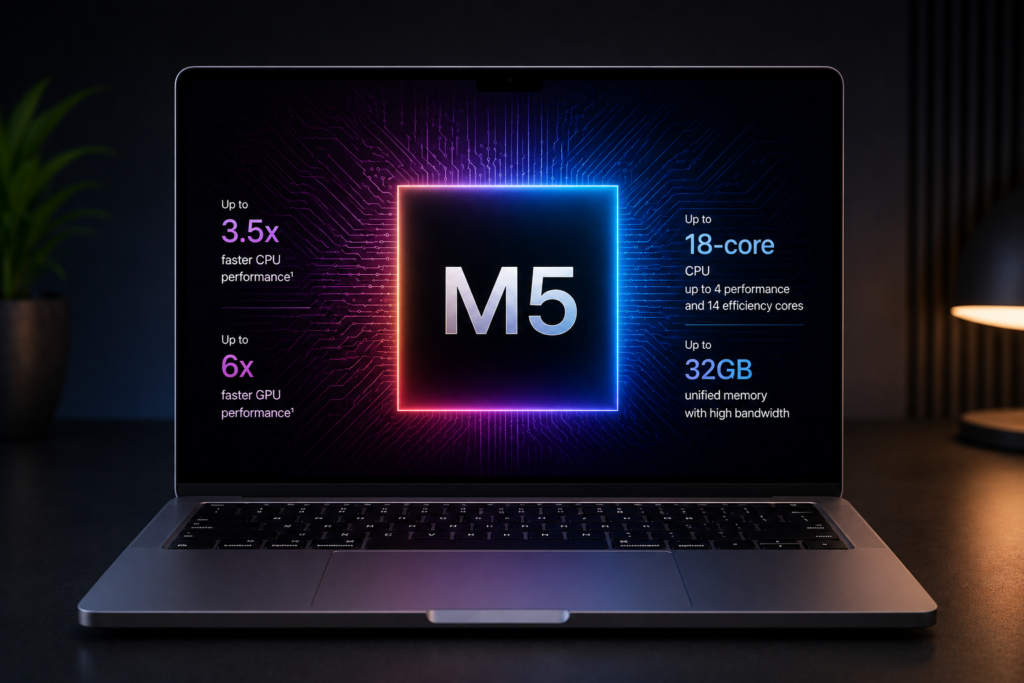
Let’s clear this up first, because it’s the biggest myth. Modern Apple Silicon Macs (the M-series chips) are genuinely powerful, with capable graphics built in. The problem isn’t horsepower — it’s that the games themselves often aren’t built to run on a Mac in the first place. To understand why, you need to know about something called an API.
Reason 1: Windows games speak a language Macs don’t
Almost every Windows game is built on a technology called DirectX — the bridge between the game and your graphics hardware. Apple doesn’t support DirectX. Instead, Macs use Apple’s own system called Metal.
So for a game to run natively on a Mac, the developer has to specifically build a Mac version using Metal — extra work, extra cost, for a much smaller audience. Many simply don’t bother. Apple also doesn’t support Vulkan (the cross-platform standard a lot of modern games use), which means even more translation work to get a game running. It’s a bit like the rest of the world writing in one language and Apple insisting on its own — brilliant in its own right, but it means everything has to be specially translated to work.
Reason 2: The chicken-and-egg problem
This is the trap Mac gaming has been stuck in for years:
- Game studios don’t make Mac versions because there aren’t many Mac gamers.
- People don’t game on Macs because there aren’t many Mac games.
Each side waits for the other, and not much changes. It’s why big titles often skip macOS entirely, or arrive months (sometimes years) later than the Windows version.
Reason 3: You can’t upgrade a Mac
PC gaming culture is built on tinkering. You can start with a modest gaming PC and later drop in a better graphics card, more RAM, or extra storage to keep up with newer games.
Macs don’t work like that. Apple Silicon packs the processor, graphics, and memory into a single chip — fantastic for efficiency and speed, but it means nothing is upgradeable. What you buy is what you’ve got, for the life of the machine. For gamers used to upgrading their way forward, that’s a dealbreaker.
Reason 4: The practical headaches
Even when you try to run Windows games on a Mac using compatibility tools (like CrossOver or Parallels), you run into real-world snags: performance drops, games that simply won’t launch, and — a big one — anti-cheat software in popular online games that often refuses to run on a Mac at all. So even the workarounds have limits.
The honest part: it’s actually getting better
Here’s where we have to be fair to Apple, because the picture in 2026 is genuinely improving:
- Game Mode in modern macOS prioritises the game for smoother, more consistent frame rates.
- MetalFX upscaling is Apple’s version of the clever image-boosting tech that PC gamers know from Nvidia — it helps games look good without hammering performance.
- Apple’s Game Porting Toolkit makes it far easier for developers to bring Windows games to Mac.
- Real AAA titles are arriving — games like Resident Evil 4, Stray, Frostpunk 2, Assassin’s Creed Shadows, and even Cyberpunk 2077 now run natively on Apple Silicon.
So Mac gaming is in a better place than it’s ever been. But — being honest — it’s still well behind Windows on sheer choice of games, day-one releases, and the huge ecosystem of gaming hardware and mods. It’s improving fast, but it hasn’t caught up.
So what should you actually buy?
Here’s our honest take, even though we’re a Mac site:
If gaming is a serious priority for you — buy a Windows PC. It’s not close. You’ll get vastly more games, better prices for the gaming performance, day-one releases, the ability to upgrade over time, and none of the compatibility headaches. We’d rather tell you that straight than sell you a Mac that’ll frustrate you. (Our guide Can you game on a Mac, or should you just get a Windows PC? goes deeper on this.)
A Mac makes sense if gaming is a “nice to have.” If you mainly need a Mac for work, study, or creative projects and want to play the odd game on the side, modern Macs handle casual and many native titles perfectly well. Just don’t buy a Mac expecting it to be your main gaming rig.
In other words: buy a Mac for everything a Mac is brilliant at — and if hardcore gaming is on your list, that’s the one job where a Windows machine still wins, hands down.
Final thoughts
Macs aren’t bad at gaming because they’re weak — they’re behind because of API choices, a long chicken-and-egg standoff, no upgradeability, and a smaller game library. Apple is clearly working to close the gap, and it’s closing. But for now, if you’re a serious gamer, Windows is still the smarter buy.
If you’re buying a Mac for everything else it does so well, though — that’s exactly what we’re here to help with.
Buying a Mac for work, study or creativity? Compare live prices across South African retailers on our model pages:
- MacBook Air prices
- MacBook Pro prices — the most capable for graphics-heavy work
- Mac mini prices
- iMac prices